A Complete Guide to Rhinoplasty in San Diego
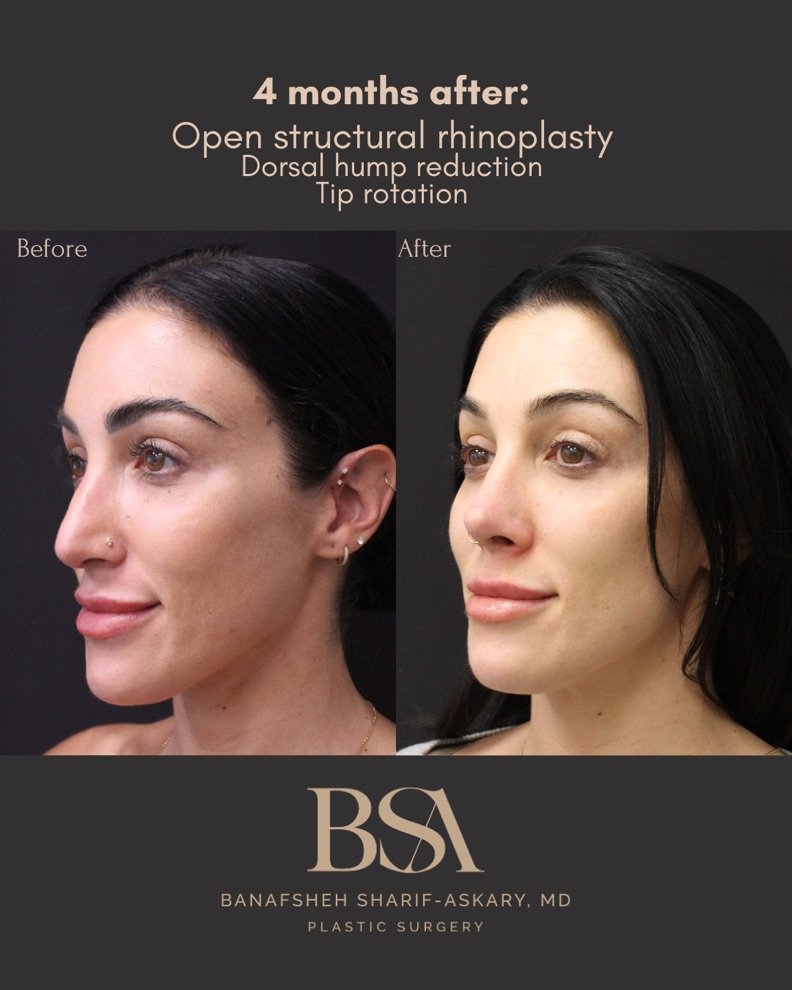
Rhinoplasty is one of the procedures I find most fascinating in plastic surgery, and also one of the most personal. The nose sits at the center of the face, so even small, millimeter-level changes can shift how balanced or harmonious someone’s whole face looks. That’s exactly why I don’t believe in a formulaic approach to rhinoplasty. Successful rhinoplasty isn’t about making a nose smaller or copying a trend, it’s about understanding your unique anatomy and creating a result that looks like it was always meant to be there.
If you’re considering rhinoplasty in San Diego, I want this guide to give you a real, honest sense of what the procedure involves, what recovery looks like, and what to consider when choosing a surgeon.
What Is Rhinoplasty?
Rhinoplasty is surgery to change the shape, proportions, or structure of the nose. Patients come to me for a lot of different reasons: a concern they’ve had since adolescence, changes after an injury, trouble breathing, or simply wanting better balance between the nose and the rest of the face.
No two rhinoplasties I perform are the same. The right surgical plan depends on your anatomy, your skin thickness, your cartilage strength, your facial proportions, how you breathe, and what you’re hoping to achieve.
What Concerns Can Rhinoplasty Address?
Patients I see in my La Jolla office come in with a range of concerns, including:
- A prominent bump along the bridge of the nose
- A nose that appears too large for the face
- A wide nasal bridge
- A bulbous or poorly defined nasal tip
- A tip that droops downward
- A nose that looks overly projected, too short, or too long
- Nasal asymmetry or a crooked nose
- Wide nostrils
- Changes following trauma or a previous nasal injury
- Difficulty breathing through the nose
Many patients have more than one of these concerns at once, which is exactly why I evaluate the nose in relation to the forehead, eyes, cheeks, lips, and chin, rather than focusing on one isolated feature.
Cosmetic and Functional Rhinoplasty
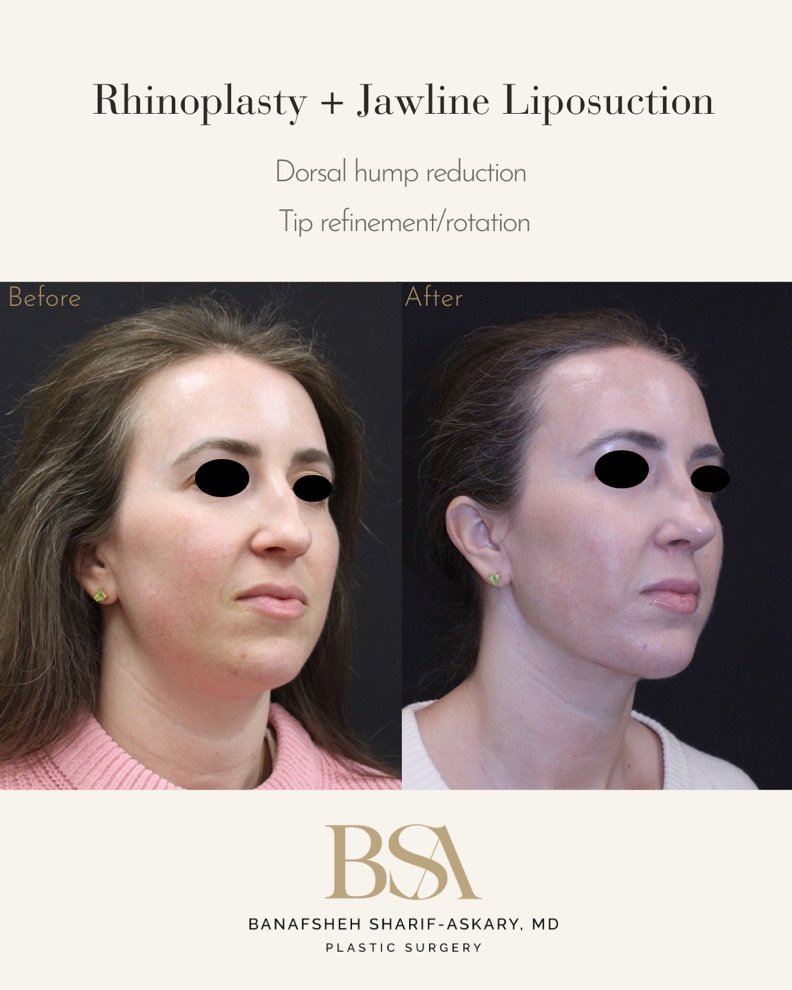
Rhinoplasty can be performed for aesthetic reasons, functional reasons, or both together. Cosmetic rhinoplasty changes the appearance of the nose. Functional rhinoplasty improves airflow and breathing, often addressing a deviated septum or narrowing of the nasal airway.
When both concerns exist, and they often do, I plan for both simultaneously. A beautiful result should never come at the cost of comfortable breathing, and in my practice, both are always part of the conversation.
Open Versus Closed Rhinoplasty
You’ll likely come across the terms “open” and “closed” rhinoplasty during your research. In a closed rhinoplasty, incisions are placed inside the nostrils. In an open rhinoplasty, a small additional incision is made across the columella, the strip of tissue between the nostrils, allowing more direct visibility of the nasal structures.
Neither is universally better. I choose the approach based on your anatomy and the specific changes we’re making, not a one-size-fits-all preference. What actually matters is whether the technique lets me safely and predictably achieve your goals.
What Makes a Rhinoplasty Look Natural?
The most common thing I hear in consultation is some version of, “I don’t want it to look done.” I understand that completely, and it’s the outcome I plan for with every patient.
A natural-looking rhinoplasty takes restraint and judgment. A nose that looks beautiful on one face won’t necessarily look right on another, and I never approach rhinoplasty with a single template in mind. My advanced fellowship training, including specialized training in Korea and my aesthetic fellowship in Manhattan, gave me the kind of detailed understanding of facial nuance that this procedure demands. Rhinoplasty requires knowing not just what to change, but what to preserve.
Every patient’s facial structure, skin thickness, cartilage strength, nasal shape, and profile are different, so the steps I take are never identical from patient to patient. Features I evaluate for a balanced result include:
- The height and contour of the nasal bridge
- Nasal length
- Tip projection, rotation, and definition
- Nostril shape
- The relationship between the nose and chin
- The relationship between the nose and upper lip
- Overall facial proportions
Small shifts in any of these can change how the whole face reads. My goal is always a result that makes the face look more harmonious, not one that announces itself as surgery.
Rhinoplasty and Individual Facial Features
There’s no such thing as one ideal nose. Nasal anatomy varies enormously between individuals, and San Diego is a wonderfully diverse city, which means I see an equally wide range of nasal anatomy, skin thickness, and aesthetic goals in my practice. Some patients want noticeable refinement. Others want something so subtle that only they would notice the difference. Some want to preserve distinctive features they’ve always liked while addressing one specific concern.
I plan every rhinoplasty around the individual in front of me, because preserving someone’s identity, not erasing it, is central to how I think about facial surgery.
What Happens During a Rhinoplasty Consultation at BSA Plastic Surgery?
Your consultation is a conversation about what you’d like to change and, just as importantly, what you’d like to keep. I typically review:
- Your medical history and any previous nasal surgery or trauma
- Nasal breathing
- Your aesthetic concerns and goals
- The external shape of the nose, skin thickness, and nasal cartilage
- Your facial proportions overall
I take standardized photographs from multiple angles, frontal, profile, three-quarter, and underside, and I may use computer imaging to help communicate ideas. I always explain that imaging is a planning tool, not a promise of an exact result. Part of every consultation is also making sure your expectations are realistic and that surgery is likely to accomplish what you’re hoping for.
How Should You Prepare for Rhinoplasty?
I’ll give you specific preoperative instructions based on your health and surgical plan, but in general, preparation includes:
- Reviewing medications and supplements
- Avoiding medications that increase bleeding, when appropriate
- Avoiding nicotine before and after surgery
- Arranging transportation on surgery day
- Planning for help during the first few days of recovery
- Preparing meals, medications, and recovery supplies in advance
- Scheduling appropriate time away from work and social activities
I also premedicate many of my patients with a targeted regimen of supplements and peptides in the days leading up to surgery, specifically chosen to help minimize swelling and bruising. Since so many of my patients are busy young professionals who want to get back to their lives quickly, I build this into the surgical plan from the start rather than leaving recovery entirely up to chance.
When it comes to preparing meals ahead of time, I recommend keeping food low in sodium, since salt intake can meaningfully worsen swelling in the days after surgery. Staying well hydrated is just as important. I also recommend increasing protein intake, roughly double your normal amount, in the weeks around surgery, since adequate protein is essential fuel for tissue healing.
Nicotine deserves special mention because it affects blood flow and healing. Always follow the individualized instructions your surgeon gives you rather than general advice from the internet.
Rhinoplasty Recovery: What to Expect
The question I hear most often is, “How long will I look swollen?” The honest answer is that it’s different for everyone, and the nose keeps refining for months after surgery.
The First Week
Expect nasal congestion, swelling, bruising around the eyes, pressure, mild drainage, and tenderness. A nasal splint is typically worn during this period. Bruising varies widely between patients.
Around One Week
The splint usually comes off around the one-week mark. The nose is still swollen at this stage and shouldn’t be judged as close to final. Many patients feel comfortable returning to work or being seen socially within one to two weeks.
Two to Four Weeks
Visible bruising has generally resolved. Swelling is still present but becomes progressively less noticeable to others.
One to Three Months
The nose starts looking increasingly refined, though subtle swelling, especially around the tip, can linger.
Six to Twelve Months and Beyond
Final healing can take a year or longer, particularly with thicker skin or more extensive tip work. Swelling isn’t always linear, it can fluctuate with mornings, exercise, or salty food.
Patience really is part of the process here.
When Can I Exercise After Rhinoplasty?
Most patients can walk soon after surgery, but more strenuous activity is restricted early on since it can increase swelling, blood pressure, and bleeding risk.
My goal is always to get you back to being active as quickly as it’s safely possible. So many of my San Diego patients live genuinely active lives, they swim, they surf, they practice yoga and Pilates, and I don’t want rhinoplasty to be the thing that sidelines that for longer than necessary. I build your activity clearance into your surgical plan with that goal in mind from day one.
I’ll gradually clear you for light exercise, cardio, strength training, swimming, yoga, and eventually contact sports or activities with fall risk, with extra caution around anything that risks direct trauma to the nose. Your exact timeline depends on your healing and what was done surgically, but getting you back in the water or on the mat is always part of the conversation, not an afterthought.
How Painful Is Rhinoplasty?
Most patients are pleasantly surprised, it’s usually more uncomfortable than painful. Expect pressure, congestion, tightness, and tenderness rather than severe pain. Since the nose can feel blocked in the first several days, breathing and sleeping can be more bothersome than pain itself. I’ll give you a pain management plan tailored specifically to you.
Will Rhinoplasty Leave a Scar?
Closed rhinoplasty incisions sit inside the nostrils. Open rhinoplasty adds a small incision across the columella. When placed and closed carefully, this incision heals well and becomes increasingly difficult to see over time. Scar appearance varies and continues to improve throughout healing.
When appropriate, I also guide patients through a strict scar protocol throughout their rhinoplasty recovery, rather than leaving scar care to chance. This includes specific methods I use to stabilize the nasal tip so it heals in the right position and doesn’t droop over time, along with a taping protocol that helps manage swelling during the healing process. These details may seem small, but they make a real difference in how refined your final result looks and how quickly you feel confident in it.
What Are the Risks of Rhinoplasty?
All surgery carries risk. Possible risks with rhinoplasty include bleeding, infection, scarring, prolonged swelling, asymmetry, contour irregularities, changes in sensation or smell, persistent breathing difficulty, septal issues, skin changes, dissatisfaction with results, and the possibility of needing additional surgery.
Some asymmetry is normal in every face and nose, even after surgery. Choosing an appropriately trained surgeon and following your postoperative instructions carefully can help reduce risk, though complications can never be fully eliminated. A thoughtful consultation should always include an honest conversation about both benefits and risks.
How Long Do Rhinoplasty Results Last?
Rhinoplasty creates structural changes meant to last. Once fully healed, results generally stay stable for many years, though the nose continues to age along with the rest of the face, so subtle changes can occur over time as skin, cartilage, and soft tissue evolve.
How Much Does Rhinoplasty Cost in San Diego?
Rhinoplasty pricing in San Diego varies based on the complexity of the procedure, the amount of correction needed, surgeon experience, facility fees, anesthesia fees, the anticipated length of surgery, and whether additional structural or functional work is required.
When comparing quotes, make sure you understand exactly what’s included, surgeon fee, anesthesia, and facility costs are often itemized separately. Price matters, but rhinoplasty is a procedure where surgeon experience and aesthetic judgment carry enormous weight. The nose sits at the center of the face, and getting it right matters more than getting it cheap.
How Do I Choose a Rhinoplasty Surgeon in San Diego?
This is, in my opinion, the most important decision in the entire process. Here’s what I’d tell a friend to look for:
Training. Understand your surgeon’s background in facial and nasal surgery specifically, not just plastic surgery broadly.
Experience With Rhinoplasty. Ask how often they perform rhinoplasty and whether it’s a meaningful, regular part of their practice.
Before-and-After Photographs. Look at results across multiple patients rather than one dramatic transformation. Results should look individualized, not identical.
Communication. You should feel completely comfortable discussing your goals and concerns, and your surgeon should be honest about what surgery can and can’t accomplish.
Surgical Philosophy. Some surgeons favor dramatic change, others favor subtle refinement. Neither is inherently right, what matters is finding a surgeon whose aesthetic sensibility matches yours.
Follow-Up Care. Rhinoplasty keeps evolving for months. Ask how postoperative visits are handled and how long your surgeon stays involved in your recovery.
Rhinoplasty in San Diego: Local Considerations
Sun Exposure. San Diego’s sunshine is one of the best things about living here, but it means healing skin and scars need real protection. I’ll walk you through when it’s appropriate to use hats, shade, and sunscreen during recovery.
Planning Around Work and Social Events. Even though many patients return to work within one to two weeks, the nose is still swollen at that point. If you’re planning surgery ahead of a wedding, graduation, or a big photography session, build in significantly more recovery time than you think you need.
Traveling for Rhinoplasty. I see patients who travel from elsewhere in Southern California and beyond for surgery. If that’s you, we’ll talk through how long you should plan to stay locally afterward, when it’s safe to fly or drive long distances, and how we’ll handle your postoperative appointments.
How Should I Evaluate Rhinoplasty Before-and-After Photos?
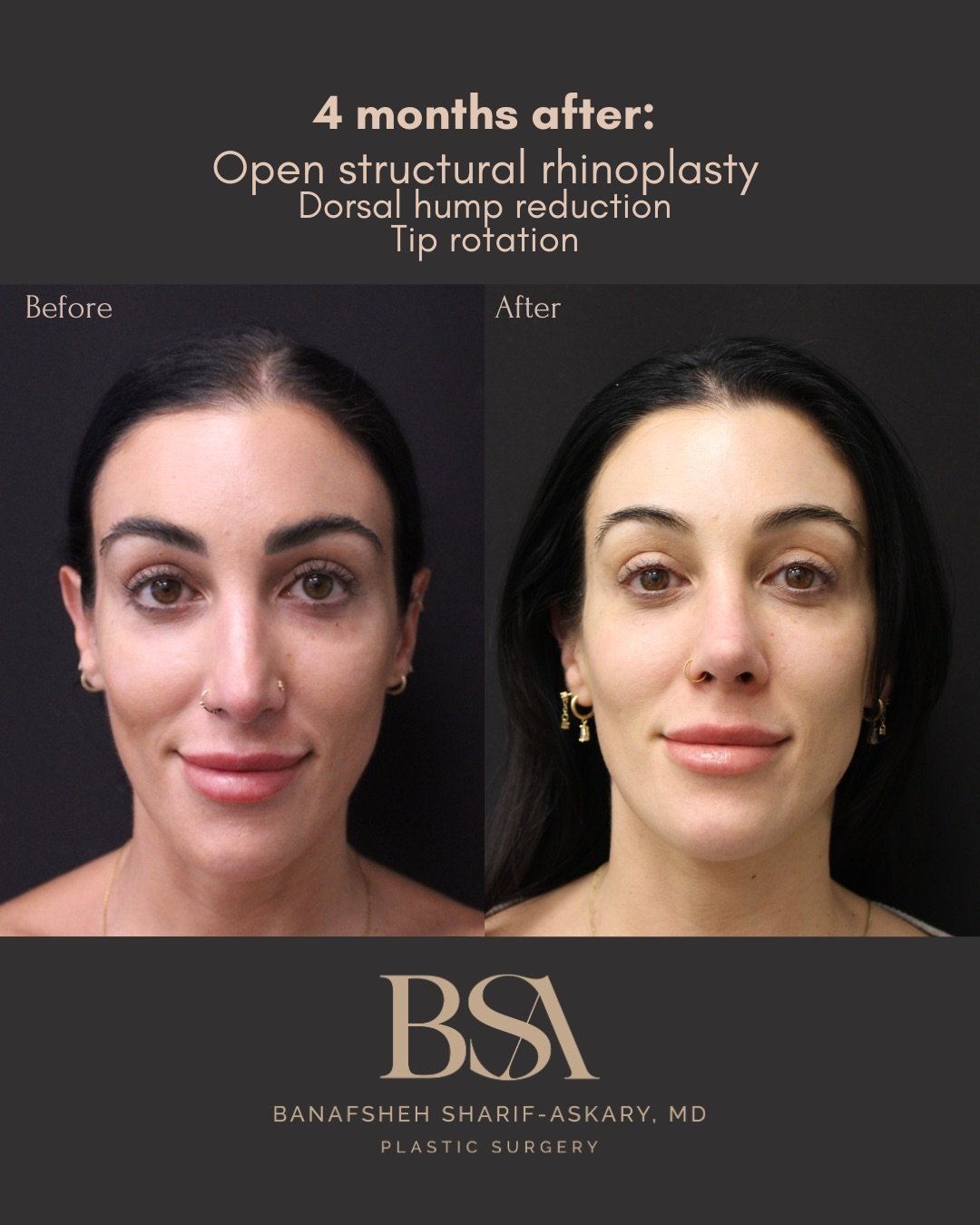
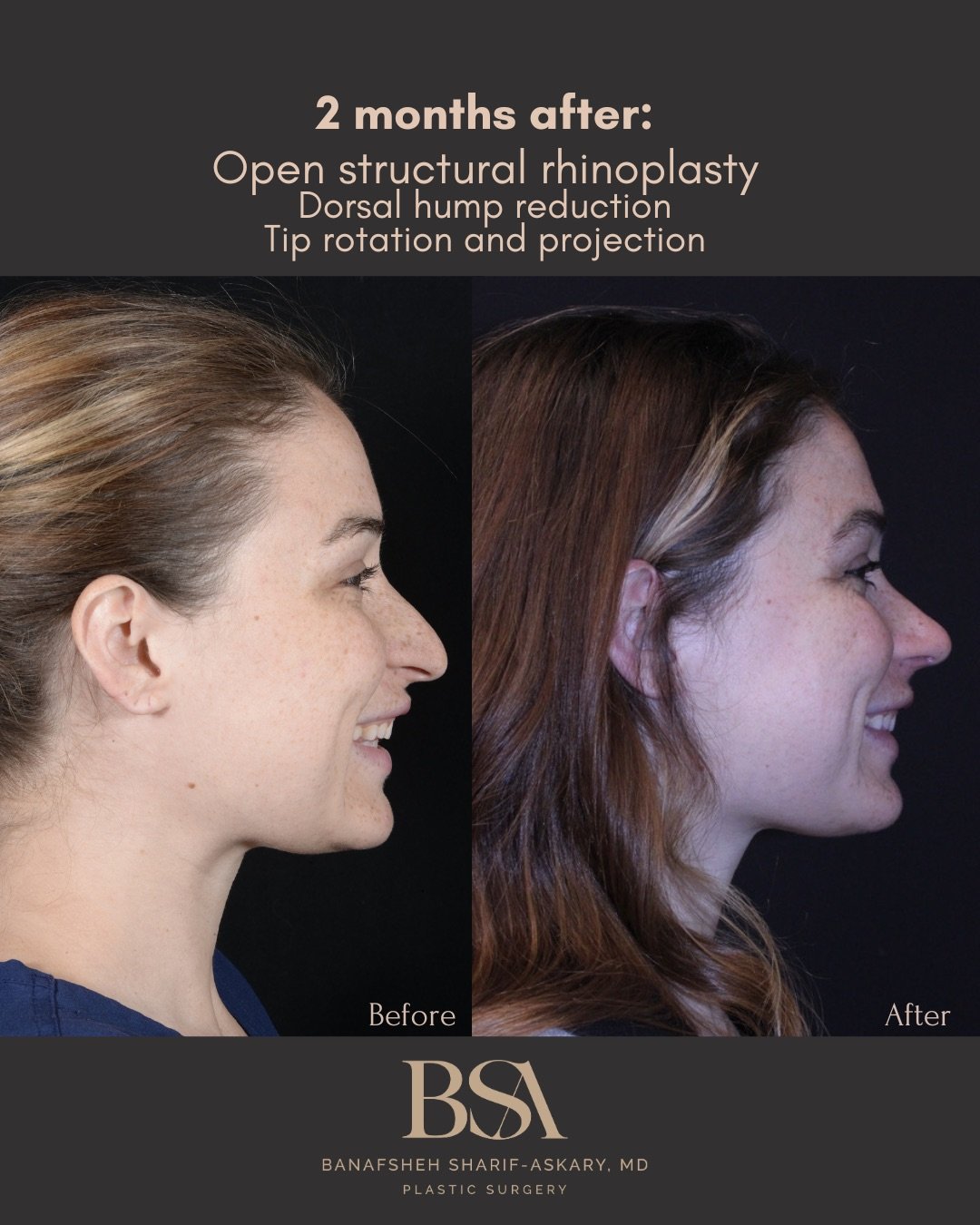
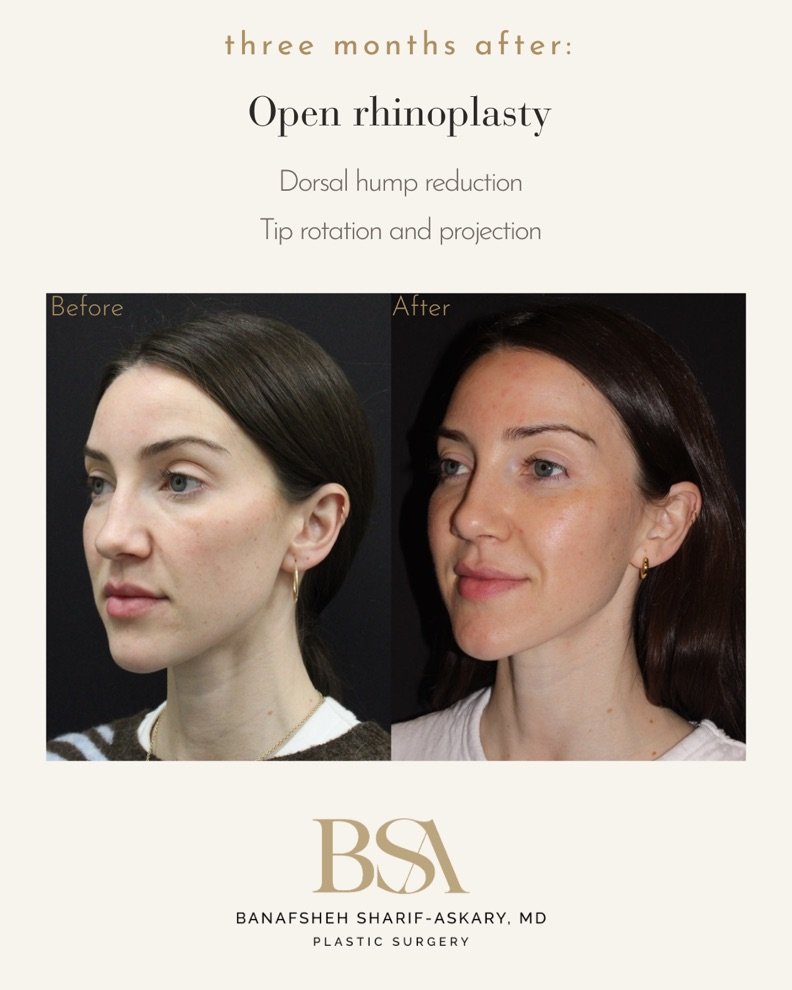
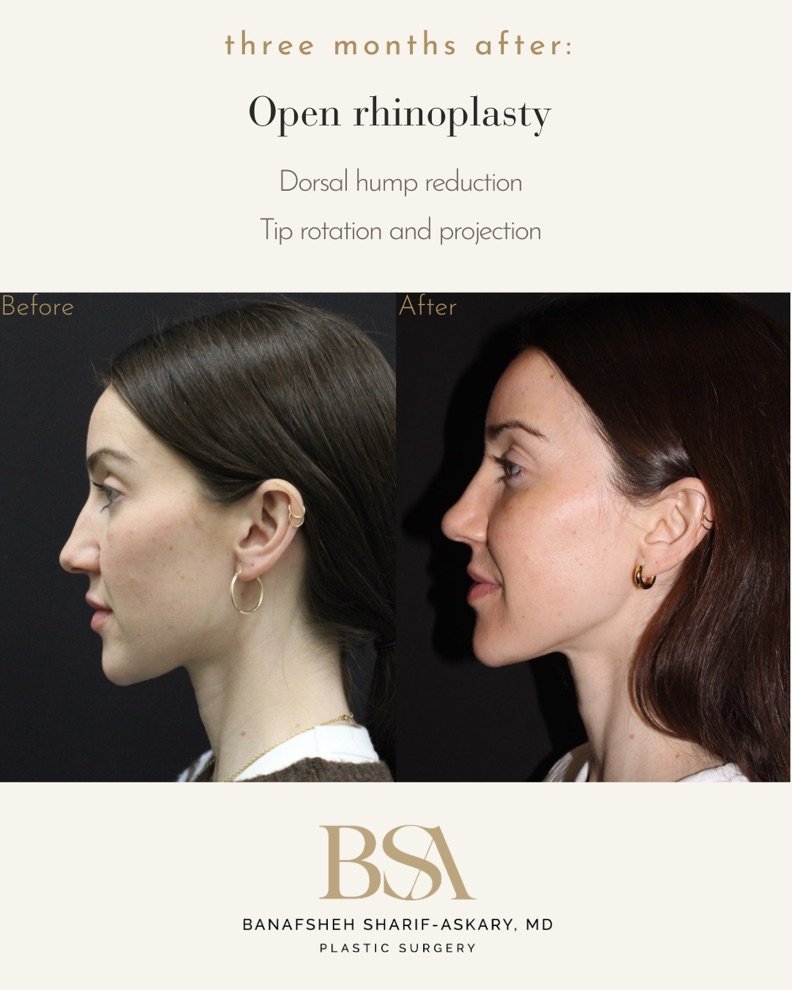
Look past the profile view. Evaluate front views, three-quarter views, and views from underneath the nose. Pay attention to symmetry, tip definition, nasal width, nostril shape, bridge contour, and overall facial harmony.
It also helps to find patients whose starting anatomy resembles yours. If your main concern is a bulbous tip, a crooked nose, thick nasal skin, or a prominent dorsal hump, look specifically for examples addressing those same concerns. The best results look appropriate for that individual face, not like everyone walked out with the same nose.
What is the best age for rhinoplasty?
Rhinoplasty is generally considered once nasal growth is complete. For younger patients, both physical maturity and emotional readiness matter. There’s no strict upper age limit, overall health, anatomy, and goals matter more than age alone.
Am I a good candidate for rhinoplasty?
Good candidates are generally healthy, have specific concerns about the appearance or function of their nose, and have realistic expectations. A consultation is the best way to know for sure.
Can rhinoplasty improve breathing?
Yes. In appropriately selected patients, structural nasal surgery can meaningfully improve airflow. An exam is necessary to pinpoint the cause of breathing difficulty.
Can a deviated septum be corrected during rhinoplasty?
Yes, septal surgery can often be performed at the same time, depending on the location and severity of the deviation.
Can rhinoplasty make my nose smaller?
Yes, though “smaller” isn’t always the goal. I aim for a nose that’s proportionate to the rest of the face while maintaining structural support and healthy function.
Can you refine only the nasal tip?
Sometimes, depending on your anatomy. Even so, I evaluate the entire nose to make sure any tip changes stay balanced with the rest.
Can rhinoplasty fix a crooked nose?
Rhinoplasty can significantly improve many crooked or asymmetric noses, though perfect symmetry can’t be guaranteed. Facial asymmetry, cartilage memory, prior trauma, and healing all play a role.
Can rhinoplasty make the nostrils smaller?
Yes, in some patients. Whether it’s appropriate depends on your facial proportions and overall surgical plan.
Will rhinoplasty change my smile?
Temporary changes to the upper lip and smile can occur from swelling and stiffness, and usually resolve as healing progresses. Permanent changes depend on your anatomy and what was performed.
How long will my nose be swollen?
Noticeable swelling improves substantially over the first several weeks, but subtle swelling, especially at the tip, can linger for months.
When can I go back to work?
Most patients return to non-strenuous work within one to two weeks, depending on bruising, swelling, and the nature of their job.
When can I wear glasses?
This depends on whether the nasal bones were repositioned. I may recommend temporarily avoiding pressure on the bridge from glasses.
When will I see my final result?
You’ll see changes as soon as the splint comes off, though the nose is still swollen at that point. The result keeps refining over many months, with final results often taking a year or longer.
Is rhinoplasty painful?
Most patients experience pressure, congestion, and discomfort rather than severe pain, and this improves substantially within the first several days.
Does thick skin affect rhinoplasty results?
Yes. Thicker skin can conceal some underlying cartilage definition and may stay swollen longer. I plan around your specific skin characteristics rather than applying the same technique to every nose.
How do I know what nose will look best on my face?
The goal isn’t to pick a nose from a photo and copy it. I evaluate your facial proportions, anatomy, skin, and preferences to find what will create the most natural balance for you. Bringing inspiration photos is still useful, it helps me understand what you do and don’t like.
Considering Rhinoplasty in San Diego?
Deciding to move forward with rhinoplasty is deeply personal. The most important first step is finding a surgeon who listens carefully, understands nasal anatomy and facial proportion at a detailed level, and approaches the procedure with both aesthetic judgment and respect for how you breathe.
At BSA Plastic Surgery in La Jolla, I want every consultation to leave you with a clear picture of what’s realistically possible, what recovery involves, and whether my approach matches what you’re looking for.
The best rhinoplasty result isn’t the most dramatic one. It’s a nose that feels balanced, natural, and unmistakably yours.
Ready to talk about your goals? Schedule a consultation with Dr. Banafsheh Sharif-Askary at BSA Plastic Surgery, 4150 Regents Park Row, Suite 321, La Jolla, CA 92037.
Request Your Consultation