How Much Does Rhinoplasty Cost in San Diego?
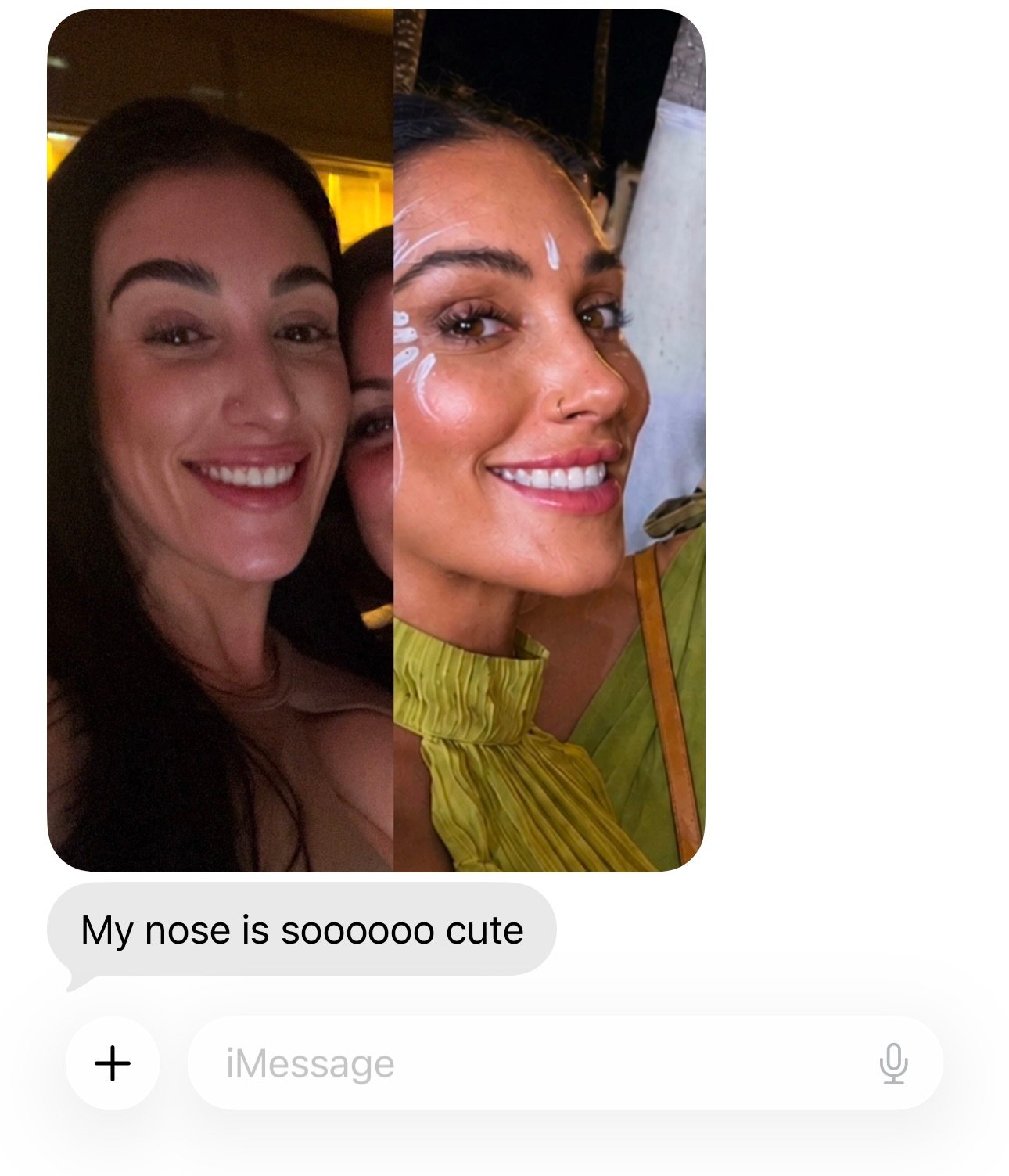
One of the first questions I hear in consultation is, "How much is a rhinoplasty?" It's a fair question, and the honest answer is that the number matters less than what sits behind it. At my La Jolla practice, a rhinoplasty is typically in the range of $14,000 to $17,000, all in, and fees across San Diego vary widely depending on the surgeon and the case. Revision rhinoplasty costs more. Here is what goes into those numbers, what to ask when you compare surgeons in San Diego, and why I think the fee reflects the work.
What rhinoplasty costs in San Diego
Published San Diego figures range from about $7,900 to $27,000, because they measure different things. As of October 2026, here is what the main sources say:
| Source | What it counts | Figure |
|---|---|---|
| ASPS national average, as cited in a 2024 practice guide | Surgeon’s fee only, US | $5,483 |
| Same guide, San Diego | Surgeon’s fee only | $7,900 |
| Patient-quote aggregator (Bookimed), 2026 | San Diego estimate, average | about $16,000 |
| Established La Jolla practice, published fee | All-in: surgeon, operating room, anesthesia, visits | $24,500 to $27,000 |
The lower figures count only the surgeon’s fee. Anesthesia, the surgical facility and pre- and post-operative visits are billed on top, so an all-in San Diego fee lands well above them. My all-in fee of $14,000 to $17,000, which includes anesthesia and the operating room, sits within that spread.
When you compare San Diego quotes, ask each office the same questions:
- Is the quote all-in, including anesthesia, facility and follow-up visits?
- Does it include imaging so you can see the plan before surgery?
- What is the surgeon’s rhinoplasty-specific training and experience?
- What happens, and what does it cost, if a revision is needed?
- Can you speak with past rhinoplasty patients?
Why I share my price up front
I believe price transparency matters. I have nothing to hide, and I do not want to waste your time or mine. If the number is going to rule out working together, you should know that before you take time off, travel or sit through a consultation. That is why I tell you my range openly: $14,000 to $17,000, all in. Your exact quote is set after we meet, because every nose is different.
Why rhinoplasty is different from most operations
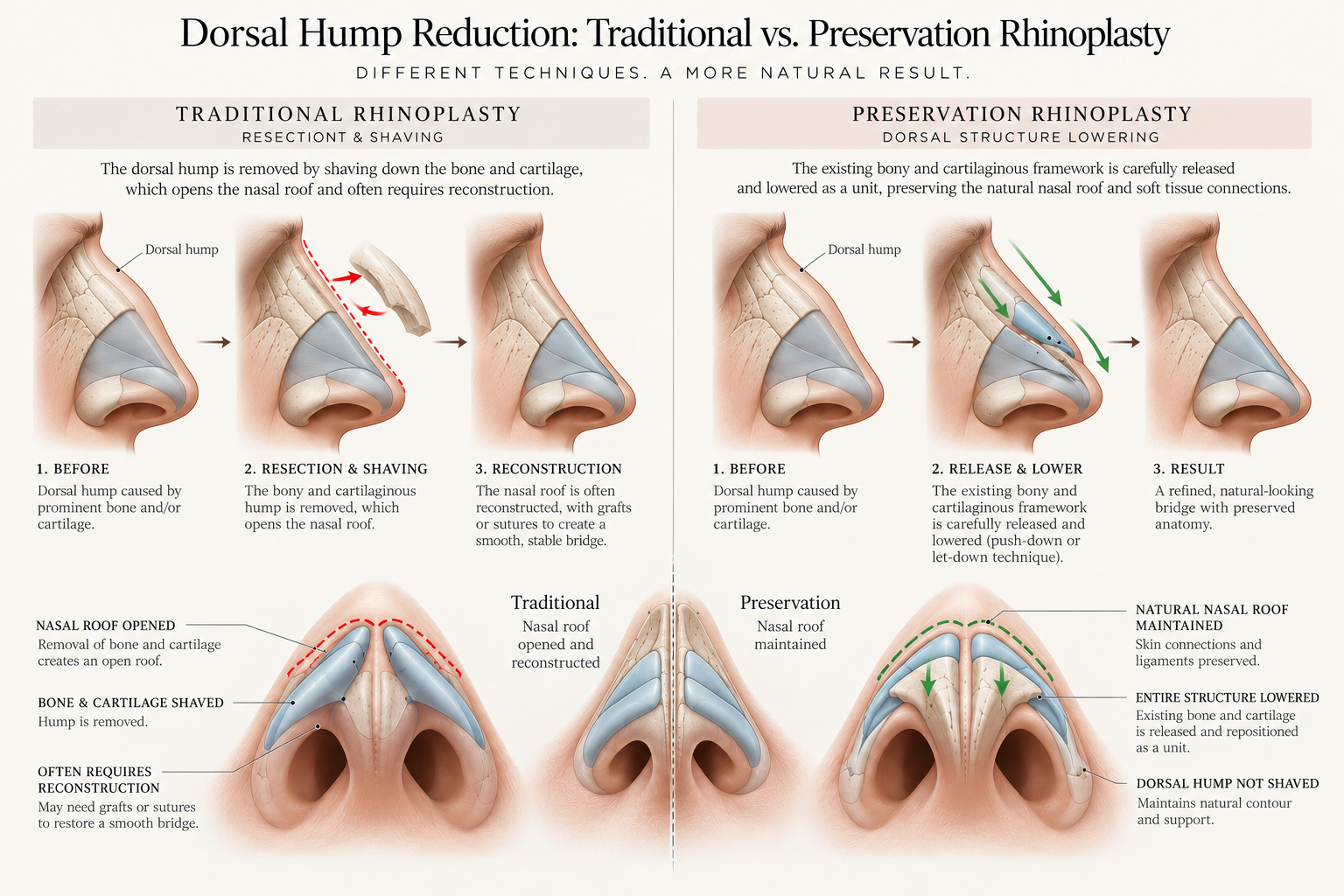
The nose looks small, but it is one of the most complex structures in the body to operate on. In a single procedure you are working with bone, cartilage, mucosa and skin. Each tissue behaves differently, and each one changes as it heals.
Bone can be repositioned, but it has to be refined without destabilizing the bridge. Cartilage gives the nose its shape and its support, and it has memory: it can bend or shift over time. The mucosa lining the inside of the nose affects how you breathe. The skin has to settle over the new framework, and its thickness, swelling and scarring change the final look for months.
That last point is the one I think about most. A rhinoplasty is not a static operation. The nose you see on the table is not the nose you will have in a year, because healing keeps reshaping it. So a surgeon has to think dynamically: planning not just for the result on the day of surgery, but for how every layer will behave as it heals.
Not every surgeon is trained or equipped to do this well, and I think that is worth saying plainly.
For a full look at the procedure itself, including recovery, see my complete guide to rhinoplasty in San Diego.
Training and experience
My training is in plastic surgery with a focus on reconstruction and aesthetic surgery. I completed an integrated plastic surgery residency at MedStar Georgetown University Hospital, followed by an aesthetic surgery fellowship at Manhattan Eye, Ear & Throat Hospital in New York. I have also published and presented research on rhinoplasty, including a systematic review of postoperative adverse events after rhinoplasty that I presented at the Rhinoplasty Society and the American Association of Plastic Surgeons.
Fellowship training matters here because rhinoplasty rewards focused, repeated experience. It is the kind of operation where a surgeon’s judgment, not just technique, shapes the result.
If you would like to hear from patients directly, I have my rhinoplasty patients available to speak with you. I would rather you hear about the experience from someone who has been through it than take my word for it.
Not everyone who says "plastic surgeon" is trained for rhinoplasty
Part of the confusion in San Diego is the titles. Many people call themselves plastic surgeons, cosmetic surgeons or even rhinoplasty specialists, and those terms do not mean the same thing. In California, any licensed physician can legally perform cosmetic surgery, and a title like “cosmetic surgeon” does not tell you how a person was trained. “Rhinoplasty surgeon” does not tell you how many noses they have operated on, or how well.
Before you book, I would check:
- Board certification. Is the surgeon certified by the American Board of Plastic Surgery, or another board recognized by the American Board of Medical Specialties?
- License. Look the surgeon up with the Medical Board of California to confirm an active license and check for disciplinary history.
- Rhinoplasty-specific training and volume. Did they complete a fellowship, and how often do they operate on noses?
- Where the surgery happens. Is it an accredited facility with a board-certified anesthesiologist?
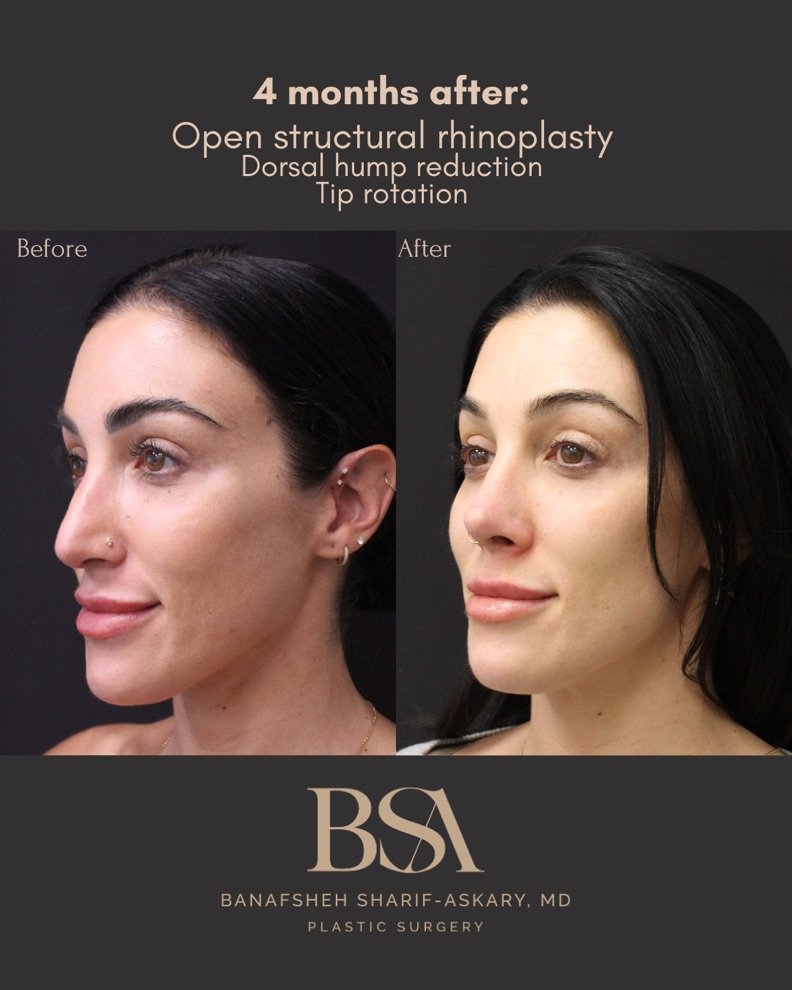
- Real results. Ask to see before-and-after photos and to speak with past rhinoplasty patients.
Excellent rhinoplasty surgeons come from both plastic surgery and facial plastic surgery backgrounds. The title matters less than the training, the focus and results you can verify.
Seeing your result before surgery
My fee includes real-life 3D imaging. Before surgery, we capture your face in three dimensions and use it to look at your nose from every angle together.
The purpose is simple: to make sure you and I are on the same page about what your nose will look like. Words like “a little less projection” or “more refined” mean different things to different people. Seeing it removes the guesswork. The imaging is a planning tool, not a promise, because healing varies from person to person, but it makes our conversation far more specific and gives me a clear picture of your goals.
What is included in the fee
My fee is all in. Within the $14,000 to $17,000 range, here is exactly what you are paying for:
- Your consultation. We take as long as it needs to take. There is no clock running.
- Pre-operative planning and imaging. Hours of work on my part, including the 3D imaging, so we can see your plan together.
- Follow-up conversations and visits before surgery. However many it takes to make sure we are aligned on what your nose will look like.
- My own surgical planning. I plan your operation myself, step by step, for your anatomy.
- The surgery itself, in the operating room.
- Anesthesia.
- All dressings and post-operative care.
I quote a single all-in number so you can plan without surprises. If a quote looks much lower, it is worth asking what it leaves out.
What can change your quote
My range reflects the work your nose needs, and your exact quote is set after we meet. These are the things that move it:
- Primary or revision surgery. Revisions cost more because of scar tissue, depleted cartilage and the donor rib graft, as explained below.
- How much reshaping your nose needs. A subtle refinement is a different operation from rebuilding the bridge, tip and support.
- How much structural support is required. The more cartilage and support your nose needs, the more complex the operation.
- Breathing. If your breathing needs attention, we plan the surgery around it from the start
Why revision rhinoplasty costs more

Revision rhinoplasty, meaning a second or later operation on a nose that has already been operated on, is more complex and more expensive. The biggest reason is cartilage.
The nose depends on cartilage for structure. In a first rhinoplasty, a surgeon usually has enough of the patient’s own cartilage to work with, most often from the septum, the wall inside the nose, and sometimes from the ear. In a revision, much of that cartilage has often already been used or removed. What is left may be thin, weakened or scarred, and scar tissue also distorts the normal anatomy. That makes rebuilding the structure harder.
To rebuild a nose that has lost support, I often need a large amount of strong, straight cartilage. The best source for that is rib cartilage. In revision cases I use cadaveric (donor) rib graft. It is processed and sterilized, and it gives me a generous supply of dependable material without an additional incision on your chest to harvest your own rib. That means a shorter operation, no second surgical site to recover from, and less pain.
The donor graft is an added cost, and the revision itself takes longer and demands more technical skill. Those are the reasons the fee is higher. I will talk through the choice of graft with you in detail, because there are trade-offs, and the right option depends on your anatomy and your goals.
Why a low price across the border is not worth the risk
I understand the pull of a much lower price. But I would urge you not to travel across the border for a bargain rhinoplasty, because the nose is not a place to take chances.
The nose sits close to the brain and shares blood vessels with it. Serious infections after nasal surgery are uncommon, but in rare cases an infection around the nose and midface can spread toward structures near the brain, and it can turn dangerous quickly. Deformities can also be life-altering. Cartilage and support that has been removed or damaged is hard to replace, breathing can be affected, and, as I explained above, revision surgery is more complex and more expensive than getting it right the first time.
There are practical risks too. If something goes wrong after you travel home, your surgeon is hours away and your follow-up care falls to someone who did not do the operation. Standards for facilities, anesthesia and sterile technique are also harder to check from a distance, and travel soon after surgery adds strain on a healing nose.
In short, rhinoplasty is not a place to skimp. A lower price that ends in a revision costs more in the end, in money and in your health.
The bottom line
A rhinoplasty is priced the way it is because of what it asks of the surgeon: command of every tissue in the nose, the judgment to plan for how it will change with time, and the experience to get it right. If you are weighing options, I would encourage you to ask every surgeon about their training, how many rhinoplasties they do, and whether you can speak to their patients.
If you would like to talk through your own nose, I would be glad to meet. Visit my rhinoplasty page or book a consultation at BSA Plastic Surgery in La Jolla.
Sources
Prices are approximate, change often and were checked in October 2026.
- Rhinoplasty Cost Guide 2024, Burbank Plastic Surgery: ASPS national average and San Diego surgeon’s fee
- Rhinoplasty in San Diego, Bookimed: aggregator estimate
- Rhinoplasty FAQ, La Jolla Cosmetic Surgery Centre: published all-in fee
Is rhinoplasty covered by insurance?
No. Rhinoplasty is not covered by insurance, so plan on it as an out-of-pocket cost. Breathing often improves after rhinoplasty, though, and when it is a concern for you, we focus the surgery on it.
Do you offer financing?
Yes. You can read about your options on our financing page.
What if I need a touch-up?
Touch-ups are handled case by case. We are here for you throughout the entire journey, and we will not abandon you.
When will I see my final result?
Swelling and the final shape of your nose can take up to a year to settle. Healing varies from person to person, and we stay with you through it.
Fees vary by case, and the figures here are typical ranges, not a quote. Results vary. This article is for general education and is not a substitute for an in-person evaluation. Rhinoplasty is a surgical procedure with potential risks and complications, and an individualized consultation with a qualified plastic surgeon is necessary to discuss risks, benefits, alternatives, and expected outcomes.
Ready to Explore Your Options?
BSA Plastic Surgery La Jolla, San Diego, California
Call or Text: (858) 988-3771
Thoughtful surgery. Natural-looking refinement. Beautifully you.
Rhinoplasty, including preservation rhinoplasty, is a surgical procedure with potential risks and complications, and results vary by individual. An individualized consultation with a qualified plastic surgeon is necessary to determine whether it is appropriate for you and to discuss risks, benefits, alternatives, and expected outcomes.
Request Your Consultation