Preservation Rhinoplasty in San Diego: The Art of Changing Less to Achieve More
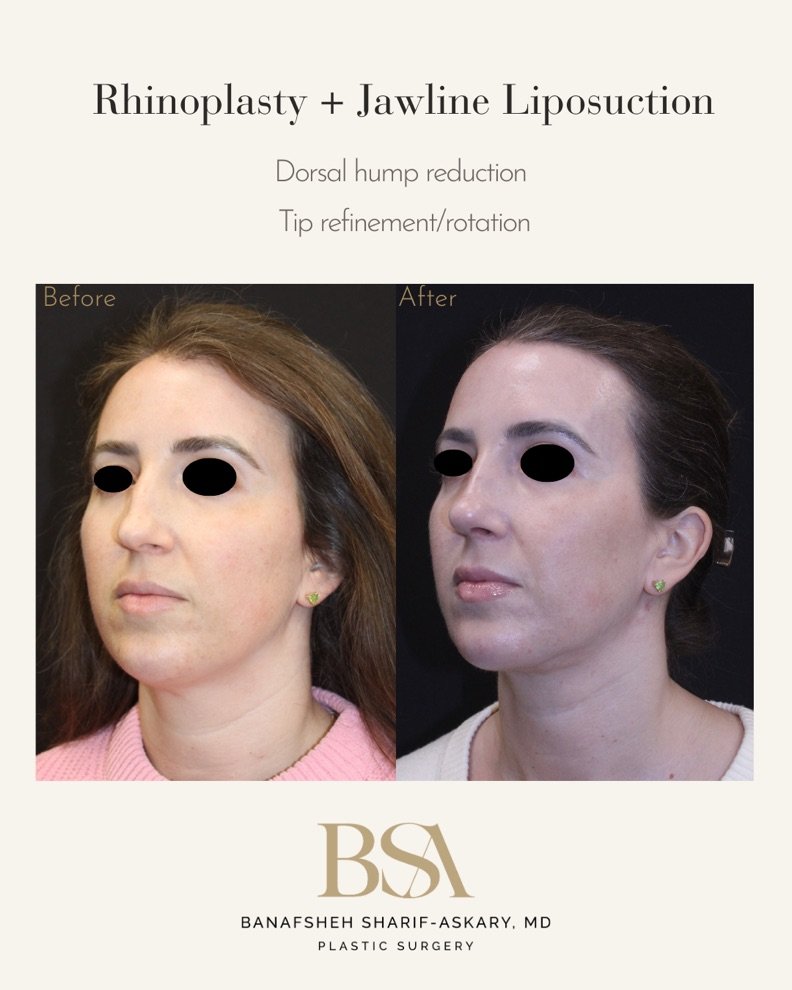
What if the secret to a beautiful rhinoplasty isn't how much you change, but how much you preserve?
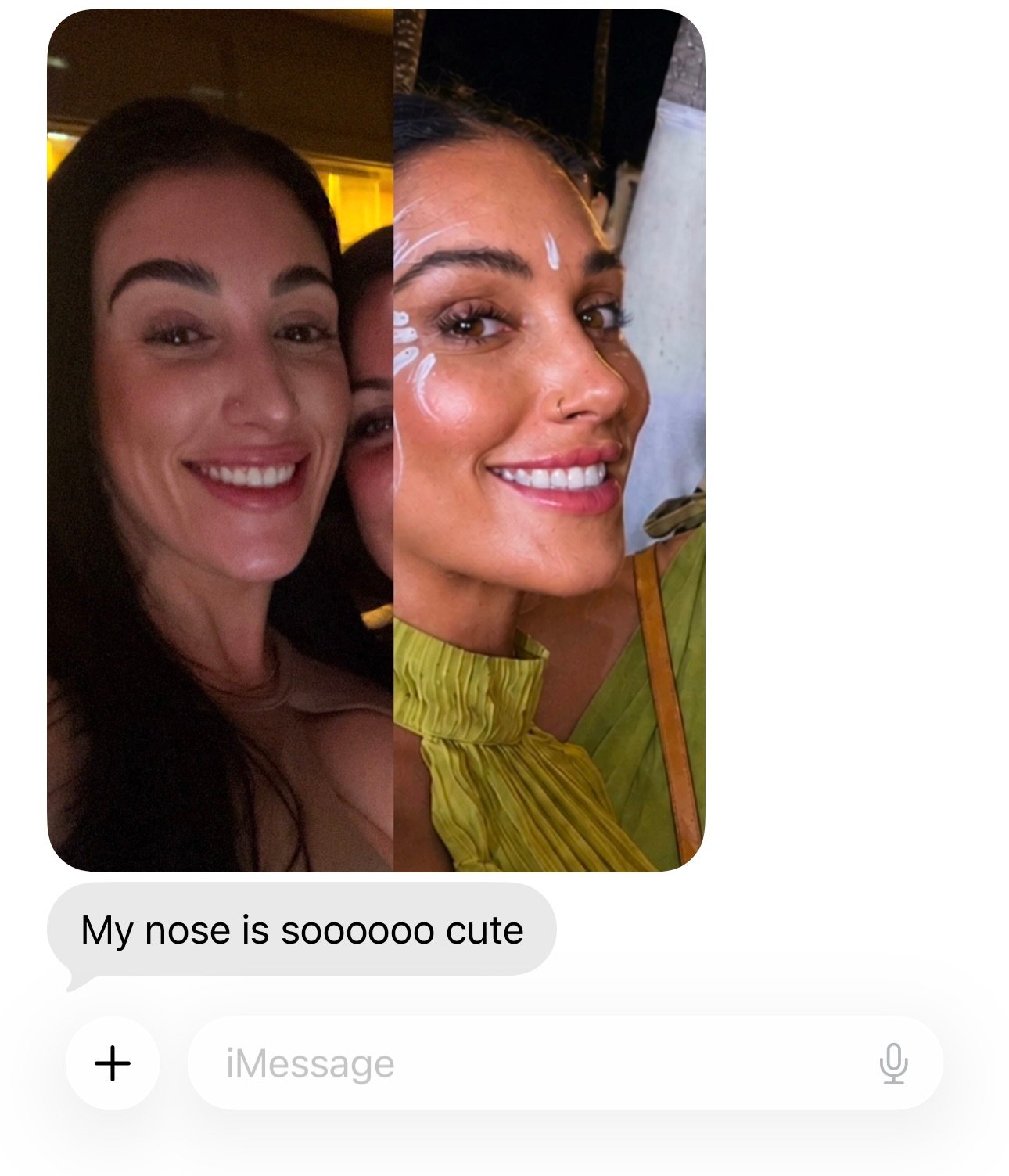
For many patients considering rhinoplasty, the goal isn't to look dramatically different.
It's to look like themselves, just a little more balanced.
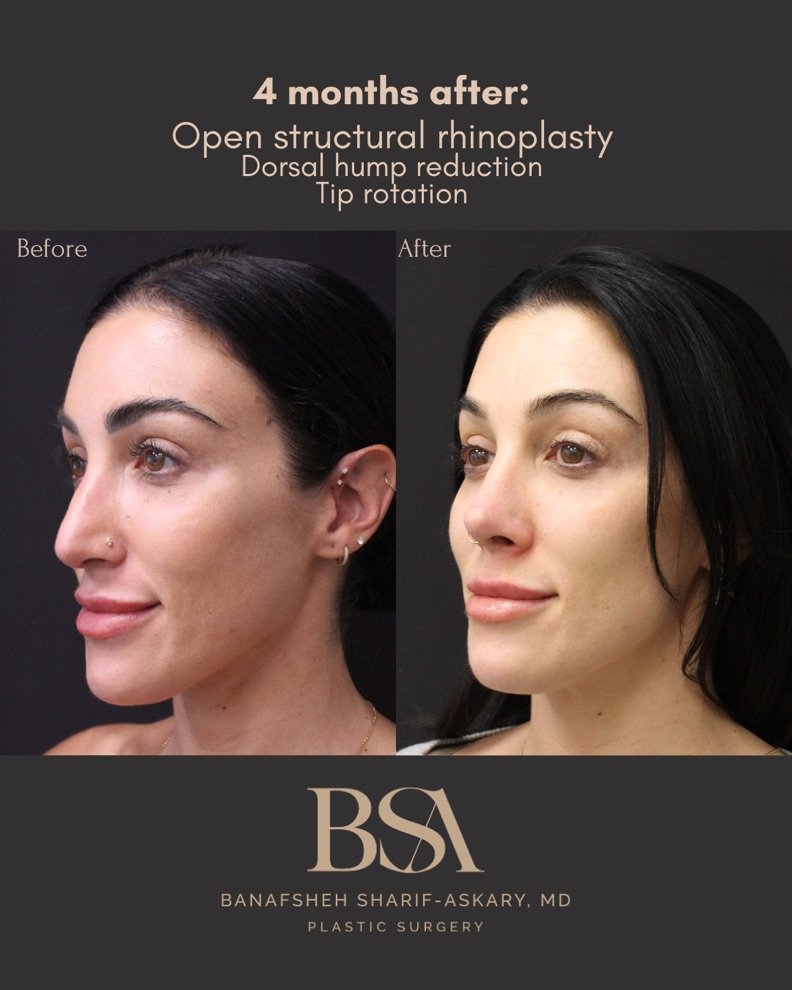
Perhaps it's a small bump along the bridge that has always bothered you. Maybe your nose looks different from the side than it does from the front. Or perhaps you simply want a softer, more harmonious profile without losing the features that make your face uniquely yours.
In modern rhinoplasty, achieving these goals is increasingly about understanding not only what to change, but what to leave untouched.
One approach that has gained significant attention is preservation rhinoplasty, a surgical technique designed to reshape the nose while maintaining more of its natural anatomy.
But is preservation rhinoplasty better than traditional rhinoplasty? Does it produce more natural results? And is everyone a candidate?
As a plastic surgeon practicing in La Jolla, San Diego, I believe these questions deserve thoughtful answers.
Because while preservation rhinoplasty is an exciting advancement in nasal surgery, the most important factor in achieving a beautiful result isn't following the latest trend.
It's choosing the right operation for the right nose.
What Is Preservation Rhinoplasty?
Preservation rhinoplasty is a surgical approach that aims to maintain selected natural structures of the nose while changing its shape.
To understand what makes this technique different, it helps to understand how nasal hump reduction has traditionally been performed.
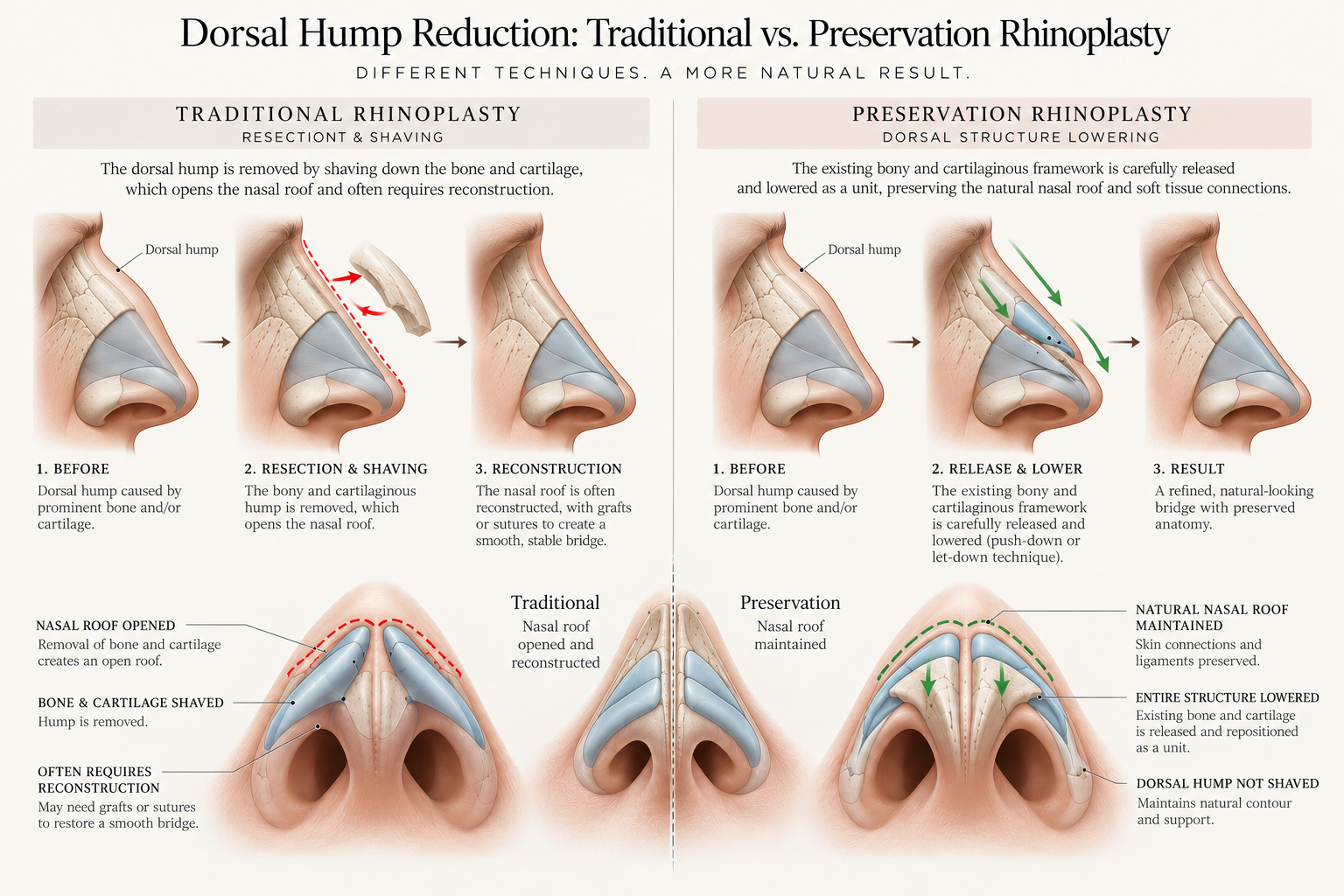
In conventional rhinoplasty, a prominent nasal bridge may be reduced by removing portions of the underlying bone and cartilage.
Depending on the surgical technique, the resulting framework is then carefully reshaped or reconstructed to create a smooth, stable contour.
Preservation rhinoplasty takes a different approach.
Rather than removing the nasal hump from above, certain preservation techniques allow the surgeon to lower the bridge from below.
Through techniques commonly referred to as push-down and let-down rhinoplasty, the existing nasal bridge can be repositioned while maintaining much of its natural surface.
Think of it as lowering the roof of a house without completely dismantling and rebuilding the roof itself.
By maintaining the continuity of the nasal bridge, surgeons may be able to preserve some of the natural relationships between bone, cartilage, and surrounding soft tissues.
The goal is not simply to remove less tissue.
It’s to achieve the desired aesthetic change while respecting the anatomy that is already there.
Preservation Rhinoplasty vs. Traditional Rhinoplasty: What's the Difference?
One of the most common questions patients ask is whether preservation rhinoplasty is better than traditional rhinoplasty.
The answer is more nuanced than a simple yes or no.
Both techniques can produce beautiful, natural-looking results when appropriately selected and performed.
The primary difference lies in how the surgeon modifies the nasal framework.
Traditional Structural Rhinoplasty
Traditional rhinoplasty allows the surgeon to directly reshape or reconstruct different components of the nose.
This may include removing a dorsal hump, adjusting the nasal bones, modifying the cartilage, or using grafts to improve support and contour.
These techniques offer significant flexibility and can be particularly valuable for complex nasal anatomy, significant asymmetry, revision surgery, and certain functional concerns.
Preservation Rhinoplasty
Preservation rhinoplasty aims to maintain more of the original nasal framework.
Rather than reconstructing the dorsal surface after hump removal, the surgeon may reposition the existing bridge while preserving its continuity.
In appropriately selected patients, this may reduce the need for certain reconstructive maneuvers.
Which Is Better?
Neither approach is universally superior.
Preservation techniques may be particularly advantageous when the existing nasal bridge has a favorable shape that simply needs repositioning.
Traditional structural techniques may be more appropriate when the bridge requires substantial reshaping or reconstruction.
And in some cases, a hybrid approach combining elements of both techniques offers the most appropriate solution.
The best rhinoplasty is not defined by how much anatomy is preserved or reconstructed. It’s defined by how well the surgical plan addresses the patient’s unique anatomy and goals.
Preservation vs. Traditional Rhinoplasty at a Glance
| Preservation rhinoplasty | Traditional structural rhinoplasty | |
|---|---|---|
| How the bridge is lowered | Repositioned from below (push-down or let-down), keeping the original dorsal surface | Hump removed, then the framework is reshaped or reconstructed |
| May be a good fit when | The existing bridge has a favorable shape that needs repositioning | The bridge needs substantial reshaping, or the anatomy is complex |
| Often more appropriate for | Selected patients with favorable dorsal anatomy | Significant asymmetry, many revision cases, certain functional concerns, extensive changes to nasal shape |
| Natural-looking results | Possible | Equally possible |
| Recovery | Research has not conclusively shown it is consistently faster | Varies with the techniques used and individual healing |
What Are the Potential Benefits of Preservation Rhinoplasty?
Preservation rhinoplasty has become increasingly popular because of several potential advantages.
1. Maintaining the Natural Nasal Bridge
One of the most appealing aspects of dorsal preservation is the ability to retain the nose’s original dorsal surface.
The nasal bridge has subtle anatomical contours that contribute to its appearance.
By maintaining these contours, preservation techniques may help create a smooth, natural-looking profile without requiring extensive dorsal reconstruction.
2. Preserving Important Anatomical Structures
The nose is an intricate combination of bone, cartilage, ligaments, and soft tissues.
These structures work together to support both its appearance and function.
Preservation techniques seek to maintain selected anatomical relationships rather than disrupting and reconstructing them.
The extent of preservation varies by technique and patient anatomy.
3. Potentially Reducing Certain Dorsal Irregularities
Because preservation rhinoplasty maintains the original surface of the nasal bridge, it may reduce some of the contour irregularities associated with removing and reconstructing the dorsum.
However, preservation techniques have their own potential complications, including residual or recurrent dorsal humps.
No rhinoplasty technique eliminates the possibility of irregularities or revision surgery.
4. Supporting Natural-Looking Results
Many patients want their noses to look refined without appearing obviously operated on.
Preservation rhinoplasty can support this goal in carefully selected patients.
However, natural-looking results are equally possible with traditional and hybrid rhinoplasty techniques.
Ultimately, the surgeon’s aesthetic judgment and understanding of facial proportions matter more than the name of the technique.
Who Is a Good Candidate for Preservation Rhinoplasty?
Preservation rhinoplasty can be an excellent option for patients with certain anatomical characteristics and aesthetic goals.
You may be a candidate if you have a dorsal hump, a relatively straight nasal bridge, favorable bone and cartilage anatomy, and a desire to refine your profile while maintaining your natural features.
Patients whose primary concern is the prominence of the nasal bridge may be particularly interested in this approach.
However, candidacy cannot be determined by photographs alone.
The nasal septum, internal airway, cartilage strength, skin characteristics, and relationship between the bridge and nasal tip all influence surgical planning.
During a rhinoplasty consultation, these structures should be evaluated together.
The goal is not simply to determine whether preservation rhinoplasty is possible.
It’s to determine whether preservation rhinoplasty is the best approach for achieving a safe, balanced, and lasting result.
When Preservation Rhinoplasty May Not Be the Best Option
Although preservation rhinoplasty has important advantages, it is not appropriate for every patient.
Some noses require more extensive structural changes to achieve the desired result.
Significantly Crooked Noses
Certain nasal deviations can be corrected using preservation techniques.
However, substantial asymmetry or complex deviations may require more extensive structural correction.
Complex Dorsal Anatomy
Patients with significant irregularities, complex dorsal anatomy, or specific contour goals may benefit from techniques that allow direct reshaping of the nasal framework.
Revision Rhinoplasty
Previous surgery can alter the nasal anatomy through scar tissue, cartilage removal, or structural changes.
Although preservation techniques may be possible in selected revision rhinoplasty cases, many revision procedures require reconstruction.
Significant Functional Concerns
Breathing is an essential consideration in rhinoplasty.
Patients with substantial septal deviation, nasal valve collapse, or other airway problems may require additional functional procedures.
The surgical plan must account for both appearance and breathing.
Extensive Changes to Nasal Shape
Some patients want substantial changes to nasal width, projection, or overall structure.
These goals may require traditional or hybrid techniques.
Preservation rhinoplasty is a tool, not a rule.
And in aesthetic surgery, knowing when not to use a technique is just as important as knowing how to perform it.
Can Preservation Rhinoplasty Make Your Nose Smaller?
Yes, preservation rhinoplasty can reduce the height of the nasal bridge in appropriately selected patients.
However, it’s important to understand that the nose has several distinct anatomical components.
The bridge, nasal tip, nostrils, and overall width each contribute to nasal appearance.
Preservation techniques primarily address the dorsal framework, although they can be combined with other rhinoplasty maneuvers.
For example, a patient may benefit from dorsal preservation combined with tip refinement.
Another patient may require changes to the nasal bones or additional structural support.
This is why rhinoplasty should never be approached as a single standardized operation.
Every nose requires an individualized surgical plan.
Does Preservation Rhinoplasty Look More Natural?
Natural-looking results are one of the main reasons patients become interested in preservation rhinoplasty.
Because the original surface of the nasal bridge is maintained, the resulting profile can appear smooth and anatomically natural.
However, it’s important to distinguish between a technique and an aesthetic outcome.
Preservation rhinoplasty does not automatically produce a more natural result.
And traditional rhinoplasty does not automatically produce an artificial one.
A natural-looking rhinoplasty depends on the surgeon’s understanding of facial proportions, nasal anatomy, and the patient’s individual features.
For me, the goal is not to create a particular nose.
It’s to create a nose that looks harmonious with the rest of the face.
The best rhinoplasty doesn’t announce itself.
Preservation Rhinoplasty Recovery: What Should You Expect?
Recovery is an important consideration for anyone planning nasal surgery.
Although preservation techniques aim to maintain certain anatomical structures, preservation rhinoplasty is still a surgical procedure.
Patients should expect swelling, bruising, nasal congestion, and temporary changes in nasal appearance during healing.
The extent of these symptoms varies based on the surgical techniques used and the individual’s healing response.
For a fuller look at preparation, activity, and recovery after any rhinoplasty, see my complete guide to rhinoplasty in San Diego.
The First Week
Patients may experience swelling, bruising, and congestion.
A nasal splint is often used during the initial healing period.
The First Several Weeks
Much of the early swelling gradually improves, and patients begin to appreciate changes in the nasal profile.
However, the nose continues to evolve as healing progresses.
The Following Months
Residual swelling gradually resolves, and the nasal contours become more defined.
Tip swelling may persist longer than swelling along the bridge.
Long-Term Healing
Final rhinoplasty results may take a year or longer to fully develop, particularly in patients with thicker skin or extensive tip work.
Although preservation techniques may reduce disruption to certain structures, research has not conclusively established that they consistently produce faster recovery than traditional rhinoplasty.
I believe patients should focus on the quality and stability of the long-term result rather than choosing a technique based on promises of faster healing.
Are Preservation Rhinoplasty Results Permanent?
Rhinoplasty is intended to produce long-lasting structural changes.
However, the nose continues to change naturally with aging, and healing can influence the final contour.
In preservation rhinoplasty, one potential concern is the persistence or recurrence of a dorsal hump.
The likelihood depends on factors including anatomy, technique, and healing.
Long-term studies comparing preservation and traditional rhinoplasty are continuing to evolve.
Patients should understand that no rhinoplasty technique guarantees a particular outcome or eliminates the possibility of revision surgery.
A thoughtful surgical plan, appropriate patient selection, and careful postoperative follow-up remain essential.
Can Preservation Rhinoplasty Improve Breathing?
Aesthetic and functional nasal surgery are closely connected.
The structures that determine the shape of the nose also influence airflow.
Preservation rhinoplasty may be combined with procedures designed to improve breathing, including septoplasty or selected nasal valve interventions.
However, certain airway problems require structural changes that may not be compatible with a particular preservation technique.
During a consultation, I believe nasal function deserves just as much attention as appearance.
A beautiful nose should not come at the expense of breathing.
My Philosophy: The Best Rhinoplasty Doesn't Announce Itself
One of the things I love most about rhinoplasty is how small changes can make a meaningful difference in facial balance.
A subtle reduction in the nasal bridge.
A slight adjustment in tip rotation.
A smoother transition between the forehead and nose.
These details may seem small, but together they can transform the way the features relate to one another.
My approach to rhinoplasty is grounded in understanding those relationships.
I don’t believe every patient needs a dramatically smaller nose, a perfectly straight profile, or the same nasal tip.
In fact, some of the most beautiful results come from knowing what not to change.
My advanced aesthetic surgery fellowship training reinforced the importance of facial harmony, surgical precision, and restraint.
Preservation rhinoplasty is particularly interesting to me because it reflects this broader philosophy.
But I don’t believe preservation should become a surgical ideology.
There are times when maintaining existing anatomy is ideal.
There are other times when reshaping or reconstructing that anatomy is necessary.
The artistry of rhinoplasty lies in understanding the difference.
Ultimately, I want patients to look in the mirror and recognize themselves.
Not a trend.
Not someone else’s nose.
Just a more harmonious version of their own features.
What to Expect During a Rhinoplasty Consultation in La Jolla
At BSA Plastic Surgery, rhinoplasty planning begins with a detailed conversation.
I want to understand what you like about your nose, what you would change, and what kind of result feels right for you.
During your rhinoplasty consultation, we will discuss your goals, examine your nasal anatomy, evaluate breathing concerns, and review the surgical approaches that may be appropriate.
We will also discuss realistic expectations, recovery, potential risks, and the limitations of different techniques.
If preservation rhinoplasty is appropriate for your anatomy, we can discuss its potential advantages.
If a traditional or hybrid approach is more suitable, I will explain why.
My goal is not simply to recommend a procedure. It’s to help you understand the reasoning behind your surgical plan.
Considering Rhinoplasty in San Diego?
Your Nose. Your Features. Your Kind of Beautiful.
The best rhinoplasty doesn’t make you look like someone else. It brings greater harmony to the features that already make you, you.
Whether you’re hoping to soften a dorsal hump, refine your nasal profile, or simply understand your surgical options, your journey should begin with a personalized conversation.
At BSA Plastic Surgery in La Jolla, Dr. Banafsheh Sharif-Askary approaches rhinoplasty with a focus on facial harmony, thoughtful surgical planning, and natural-looking refinement.
Preservation rhinoplasty may be the right approach for you.
Or a traditional or hybrid technique may better address your individual anatomy and goals.
The most important thing is finding an approach that feels right for your face.
Because your nose should look like it belongs to you.
Is preservation rhinoplasty better than traditional rhinoplasty?
Neither technique is universally better. Preservation rhinoplasty may be particularly useful for patients with favorable dorsal anatomy, while traditional structural rhinoplasty offers greater flexibility for certain complex cases. The best approach depends on individual anatomy, breathing needs, and aesthetic goals.
Is preservation rhinoplasty less invasive?
Preservation rhinoplasty maintains selected anatomical structures, but it is still an invasive surgical procedure. The extent of surgery depends on the techniques used, and preservation does not necessarily mean less swelling or a shorter recovery.
Does preservation rhinoplasty look more natural?
Preservation rhinoplasty can create natural-looking results by maintaining the original dorsal surface. However, traditional and hybrid rhinoplasty can also produce beautiful, natural results.
Can preservation rhinoplasty fix a dorsal hump?
Yes. Dorsal hump reduction is one of the primary applications of preservation rhinoplasty. Rather than removing the hump directly, certain techniques lower the nasal bridge while maintaining its natural surface.
Can preservation rhinoplasty correct a crooked nose?
Selected deviations can be addressed using preservation techniques. More significant or complex deviations may require structural correction.
Can preservation rhinoplasty refine the nasal tip?
Dorsal preservation primarily addresses the nasal bridge, but it can be combined with tip refinement techniques when appropriate.
How long does preservation rhinoplasty last?
The structural changes made during rhinoplasty are intended to be long-lasting. However, healing, aging, and other factors can influence the appearance of the nose over time.
Is preservation rhinoplasty more expensive than traditional rhinoplasty?
The cost depends on surgical complexity, the techniques required, anesthesia, and facility fees. Pricing should be individualized after a comprehensive consultation.
How long does swelling last after preservation rhinoplasty?
Most early swelling improves over the first several weeks, but residual swelling can persist for months. Final refinement may take a year or longer.
Can preservation rhinoplasty be performed as a revision procedure?
Preservation techniques may be appropriate in selected revision cases, but previous surgery can alter the anatomy and limit available options.
What is the difference between push-down and let-down rhinoplasty?
Both are dorsal preservation techniques used to lower the nasal bridge. They differ in how the underlying bony framework is modified to permit repositioning. The appropriate technique depends on nasal anatomy and the amount of correction needed.
How do I know whether I am a candidate for preservation rhinoplasty?
A comprehensive rhinoplasty consultation is the best way to determine candidacy. The surgeon evaluates your nasal anatomy, aesthetic goals, and breathing function before recommending a technique.
Ready to Explore Your Options?
BSA Plastic Surgery La Jolla, San Diego, California
Call or Text: (858) 988-3771
Thoughtful surgery. Natural-looking refinement. Beautifully you.
Rhinoplasty, including preservation rhinoplasty, is a surgical procedure with potential risks and complications, and results vary by individual. An individualized consultation with a qualified plastic surgeon is necessary to determine whether it is appropriate for you and to discuss risks, benefits, alternatives, and expected outcomes.
Schedule Your Personalized Rhinoplasty Consultation